Connectivity through building automation
With KNX and modern IoT systems, we connect lighting, HVAC, access control, intrusion alarms and video systems into an intelligent overall system. The result is a building that thinks ahead—for greater security, efficiency and comfort.
Unlock endless possibilities for connecting security systems with KNX components and modern IoT systems through intelligent building automation.

Building automation as a security factor
Building automation is an important component of your security strategy. By connecting sensors, actuators and security technology, processes can be automated, statuses can be presented transparently, and responses to events can be controlled centrally. This increases response speed and brings clarity to day-to-day operations.
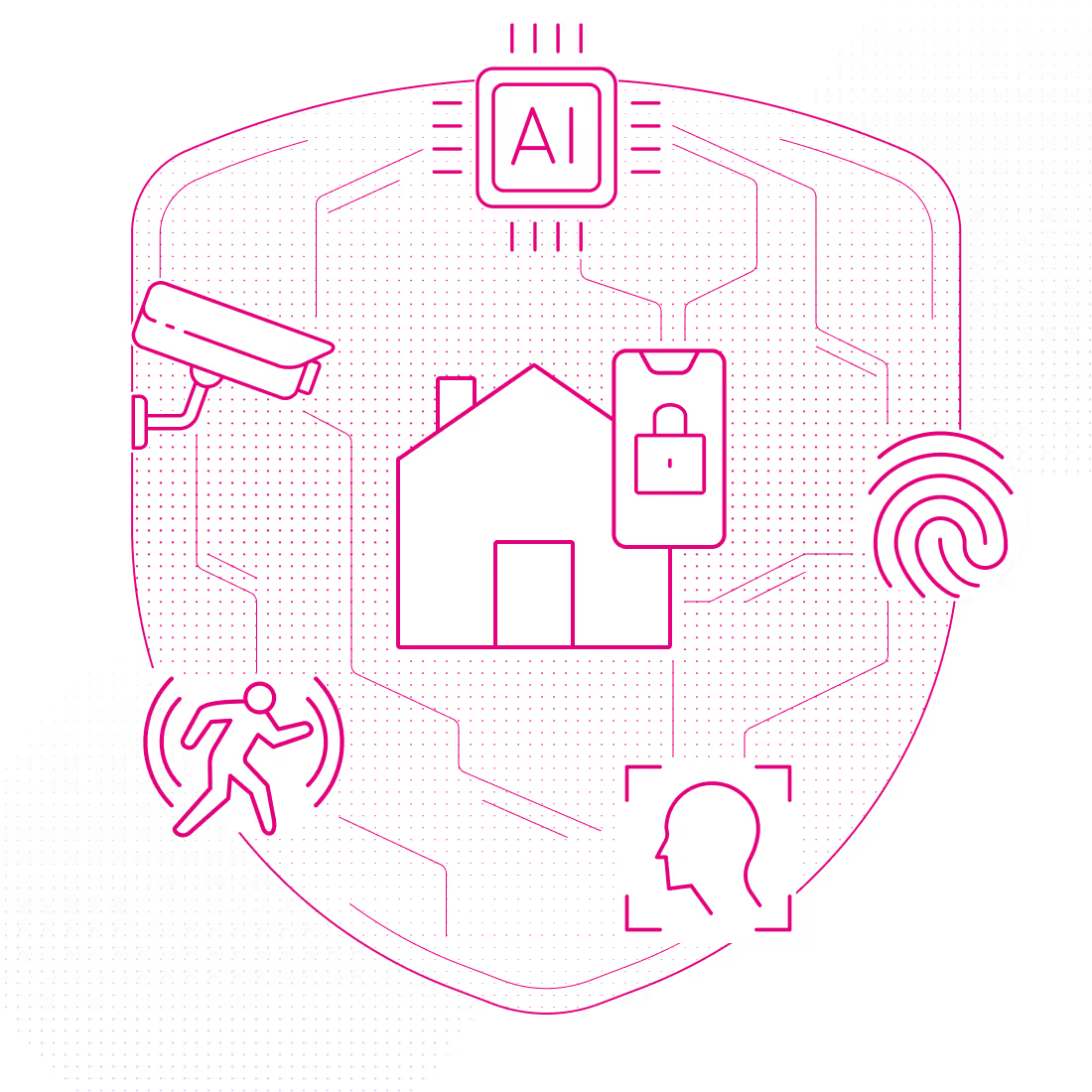
KNX: Intelligent building technology for greater security
KNX is a world-leading standard for the intelligent networking of home and building technology. With KNX, you can seamlessly connect and centrally control lighting, heating, air conditioning, blinds and security technology. KNX is the future of building technology—secure, comfortable and energy-efficient.
How KNX contributes to site security
Integration
Intrusion alarm systems, motion detectors, access control and cameras are integrated into a central KNX system. This allows building and security technology to work together and be controlled jointly.
Automation
When defined events occur—such as an alarm—lights can be activated automatically, blinds closed, doors locked or cameras panned to specific areas. Processes are planned properly once and then run reliably in the background.
Transparency & remote access
In the next step, we support implementation—from detailed planning and selecting suitable components to installation and commissioning. In our test hall and our KNX lab, we can test scenarios in advance and validate interactions. This ensures the solution works in practice.
Energy efficiency
Intelligent control of lighting, heating and air conditioning reduces energy consumption and supports sustainable building operations—without compromising security and comfort.
Optimal KNX integration for your property through tailored consulting
Whether a new build or an existing property—we develop building automation with you that meaningfully combines security, comfort and energy efficiency. From the outset, we factor in your existing systems, structural conditions and future expansions.
Frequently asked questions about building automation
These answers show how KNX and networked building technology combine security, comfort, and operational transparency.
How does building automation improve site security?
Building automation connects sensors, actuators, and security systems so that statuses become centrally visible and responses can run automatically. This increases response speed, creates more operational transparency, and makes security processes more resilient.
Why is KNX relevant for security-focused buildings?
KNX is an established standard for intelligently connecting building systems. It allows lighting, heating, air conditioning, blinds, and security-related systems to work together cleanly. This creates integrated control instead of multiple isolated point solutions.
Which security functions can be automated?
When defined events occur, lights can be activated, blinds closed, doors locked, or cameras directed toward specific zones automatically. These workflows are planned properly once and then run reliably in the background.
Is building automation possible in existing properties as well?
Yes. Building automation can be developed meaningfully in both new builds and existing properties. The key is to factor in existing systems, structural conditions, and future expansions early so that security, comfort, and energy efficiency fit together.
Ready for a well-thought-out security concept?
In an initial conversation, we discuss your current situation and the next steps that make sense for your site. From there, we develop a concept that fits your requirements and can be expanded later when needed.